
Airbnb Replaced House Rules With 7 Fixed Rules: What to Fix by Nov 20
Your old check-out note asking guests to strip the bed and start a load of laundry is about to be a policy violation. Here's what replaces it.
The PanzyPick editorial team writes for people starting or running short-term rentals and small lodging businesses: licensing, taxes, platform fees, and day-to-day operations. We check each claim against laws, official data, and primary sources, and update articles when the rules change.
Your old check-out note asking guests to strip the bed and start a load of laundry is about to be a policy violation. Here's what replaces it.

A host's $16,000 damage claim over a cracked coffee table was reversed after the guest said his two photos did not match and Airbnb told him it could not verify them. Airbnb's damage terms now spell out what evidence it accepts.
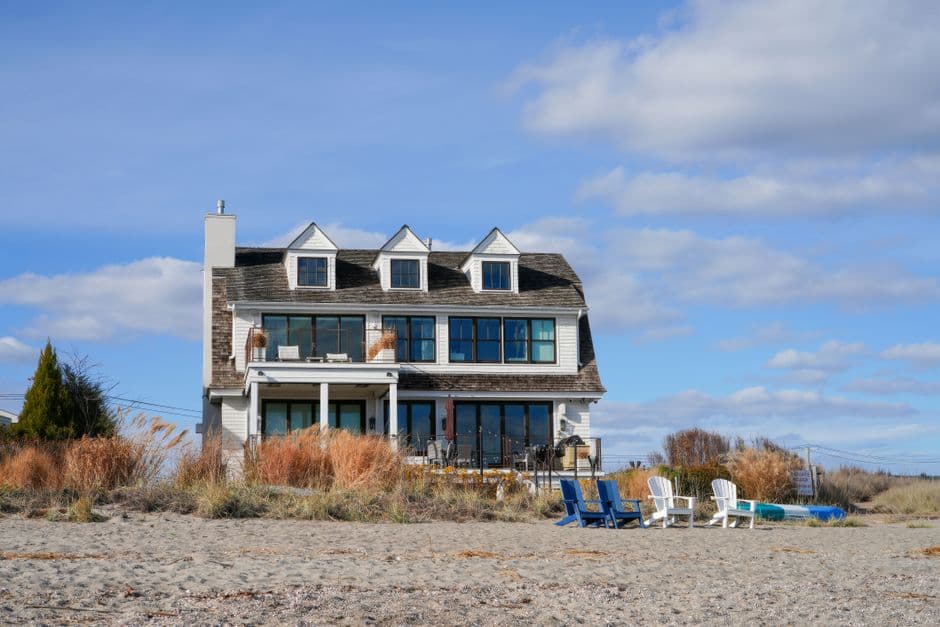
Vrbo is moving most hosts to a flat 12 percent commission on October 29, 2026, more than doubling the fee for listings connected to a property management system. Trade press also reports a new rate parity clause that ties pricing on your own direct-booking site to what you charge on Vrbo.

An Airbnb cancellation policy pays a host only when a cancellation lands inside its window, so the right one depends on how far ahead your guests actually book.

Airbnb collects occupancy tax where it has an agreement or a legal duty to, and that can leave out the county or city tax at your address. Florida's Walton County and Dallas, Texas, both show a local tax that no platform collects for the host.
The host-only fee switch is live or days away for most hosts. Here are straight answers, with the actual math, to the five questions flooding Airbnb's community forums right now.
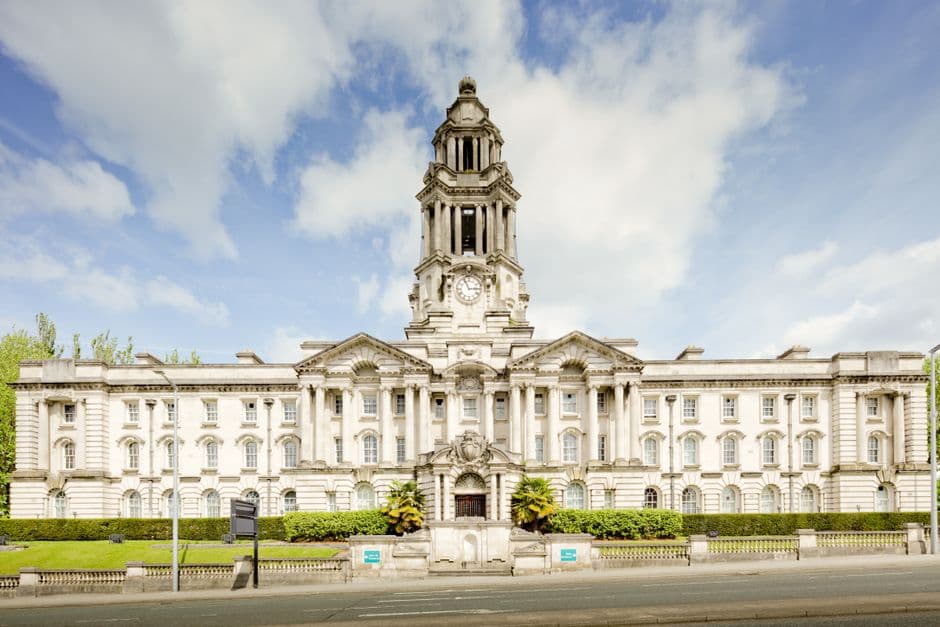
Idaho and Indiana passed the only statewide short-term rental preemption laws of 2026, while New York kept fining and Houston began delisting unregistered listings. Here's what the split means for where and how you host.
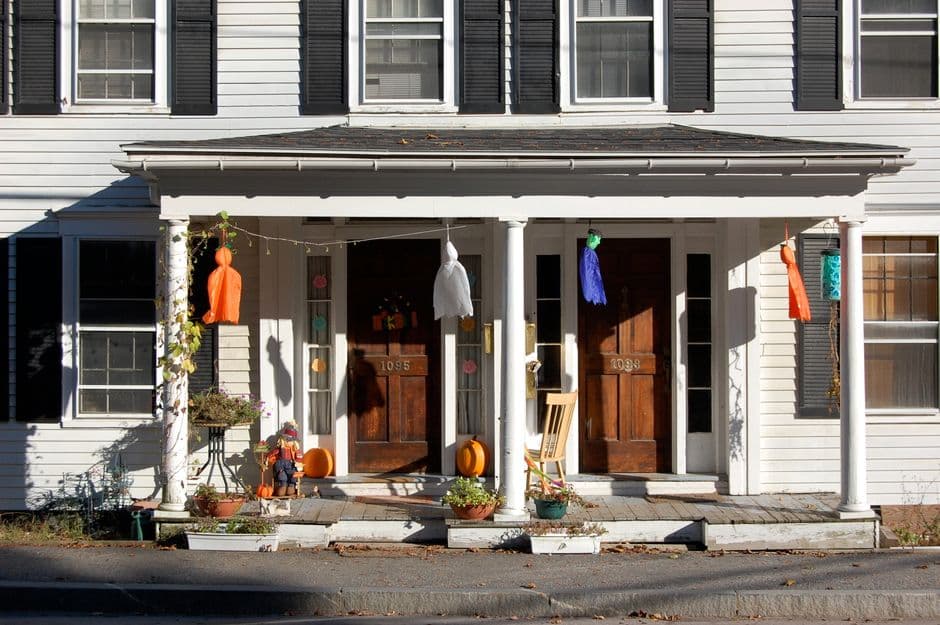
September RevPAR is pacing 26% higher year over year, and occupancy is doing more of the work than rates. Here's what that means for how you price the next two months.

On September 15, 2026 (October 13 in the EEA), the split-fee option disappears for good. Here's the exact repricing math, including why the 18.34% figure most guides quote overshoots.

Three of the top ten posts on r/airbnb_hosts this week were the same story: damage first, bad review second. The policy that decides what happens next is more specific than most hosts think.

A guest from a country where cooling is near-universal has never slept in a room without it. That is not a complaint about your listing. It is a baseline they did not know they had.

A connection that only receives bookings looks perfect on the dashboard. Then you sell a night direct and it stays for sale everywhere else.

Airbnb funds exactly its fee percentage of any guest discount. You fund the other 85 cents on the dollar, every night, for as long as the switch is on.

Airbnb's own help pages state that host damage protection isn't an insurance policy. Before you rely on it, know exactly what falls outside it — and which type of policy catches what AirCover drops.
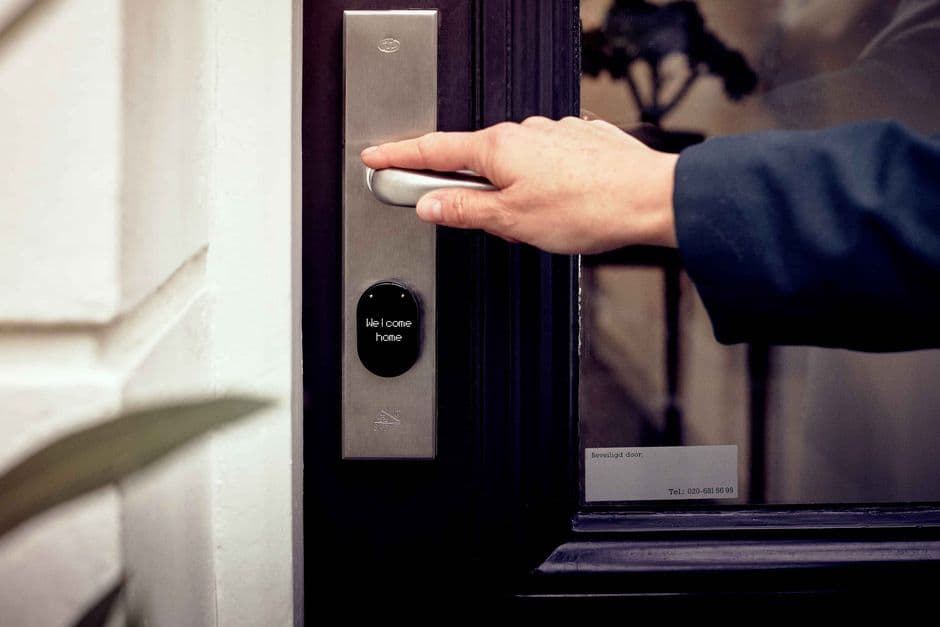
The lock is the one piece of hardware standing between your guest and their vacation. Here's how to pick the right type, rotate codes per booking, and build a backup plan that survives dead batteries and Wi-Fi outages.
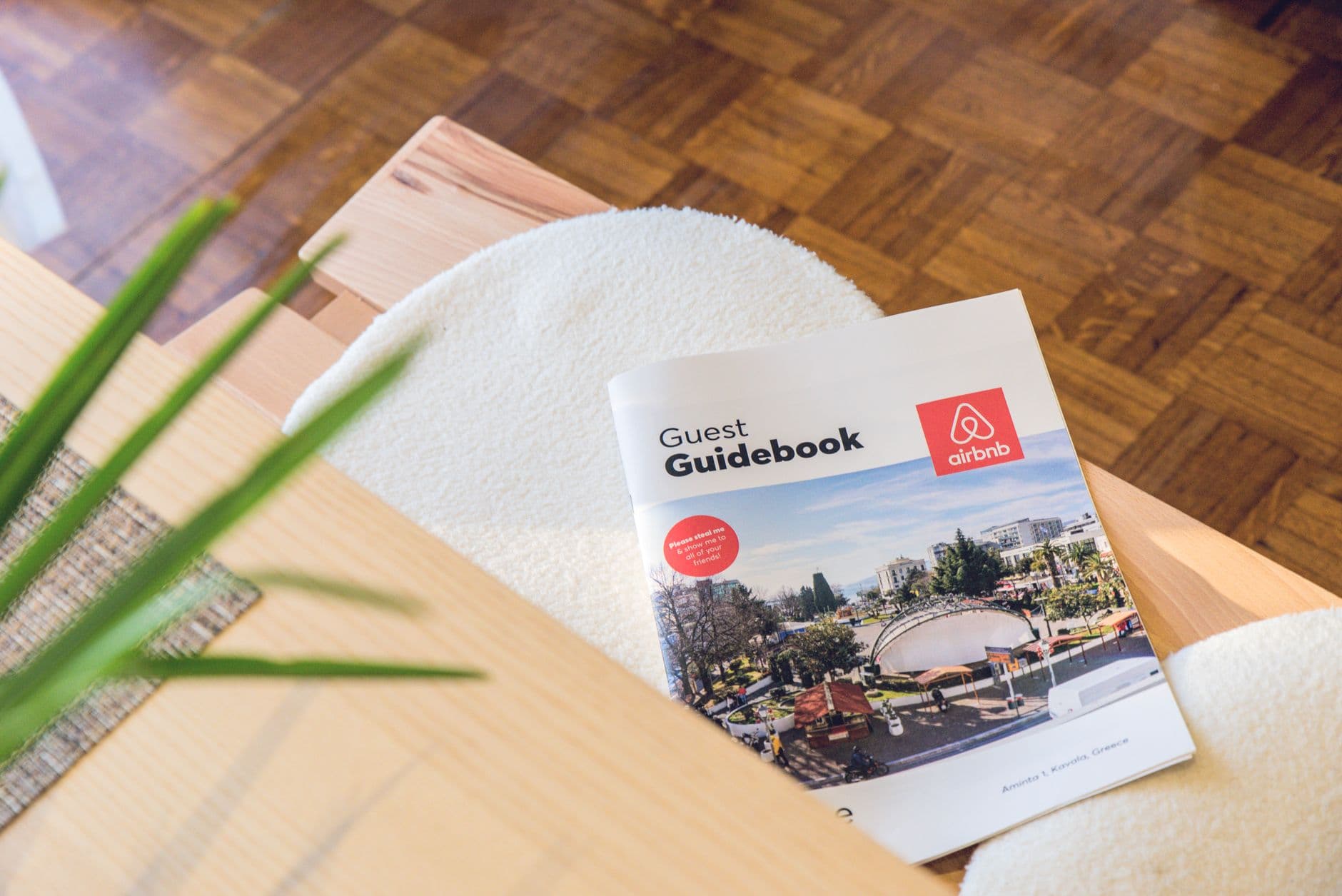
Most guest messages are the same few questions on repeat — wifi, parking, thermostat, trash, checkout. A house manual that answers them before they're asked buys back your evenings and quietly protects your review score. Here's the template.

A co-host runs your listing so you don't have to be on call around the clock. But the fee range is wide, the contract details matter more than the percentage, and not every listing needs one. Here's how the numbers and the setup actually work.

If a California city adopts the ordinance, Airbnb and Vrbo must hand it your address, nights booked, and registration status. Here's what SB 346 actually does — and how to stay on the right side of it.

Four numbers stand between you and the badge: 4.8, 90%, 1%, and 10. Here's what each one really demands, the ratings math nobody shows you, and when chasing Superhost status quietly makes your hosting worse.

Cleanliness is the review category hosts lose most often — and it's rarely about effort. It's about running the same system every single turnover. Here's the checklist, the time budget, and the math on hiring it out.

Selling the same room on several platforms is the fastest way to fill a calendar, and the fastest way to double-book it. A channel manager ties every channel to one calendar so a booking anywhere instantly closes those dates everywhere.

Airbnb and Booking.com charge you differently, pay you differently, and attract different guests. Here is the honest host-side comparison, plus the setup that actually protects your margin.

You cleaned, you staged, you welcomed them warmly and then you opened the door to a wrecked room. Here's a calm, practical playbook for damage, difficult guests, claims, and the reviews that sting.

You can't negotiate Airbnb's host fee down, but you can control how much of your revenue it actually eats. Here's how experienced hosts cut the real cost, the legal way.

Having a direct booking site is only half the job. Filling it takes demand generation, from turning OTA guests into repeat bookers to local SEO and email.

The 1099-K threshold reverted to $20,000 and 200 transactions, but that changes what gets reported — not what you owe. Here's how US hosts sort out the form, the Schedule E vs C decision, and the 14-day rule.

Two identical listings on the same street can earn wildly different amounts, and the gap usually comes down to pricing. Here's a working system: cost floor, seasonal rate card, comps, and when to let software take the wheel.

Most host websites are pretty brochures that quietly send guests back to the OTAs. Here is how to build a direct booking website that actually captures the reservation and the payment.

The 2026 shift to a 15.5% host-only service fee changed the math for every serious host. Here is what the fee actually applies to, why it grows with you, and how a multichannel strategy protects your margin.