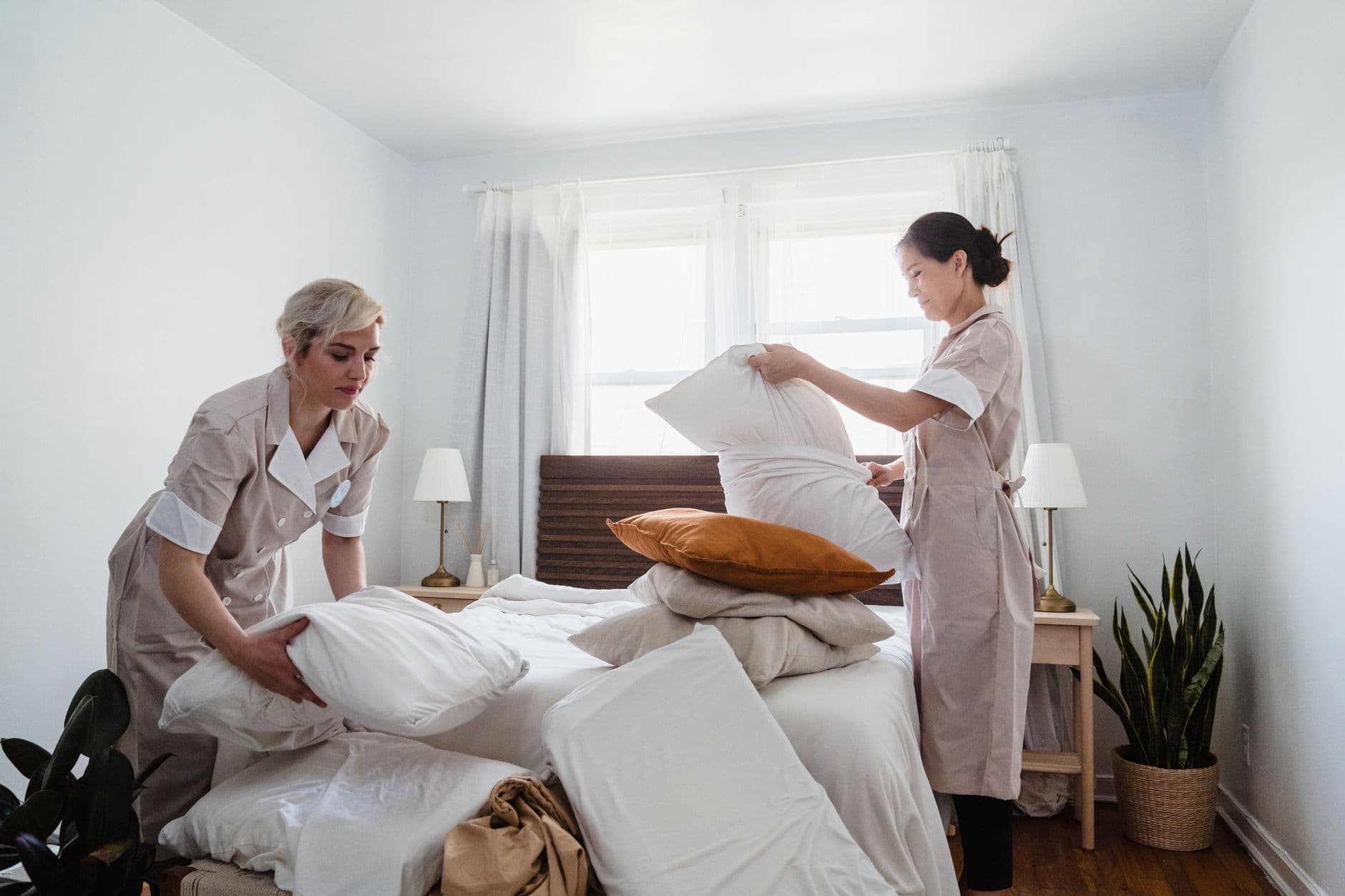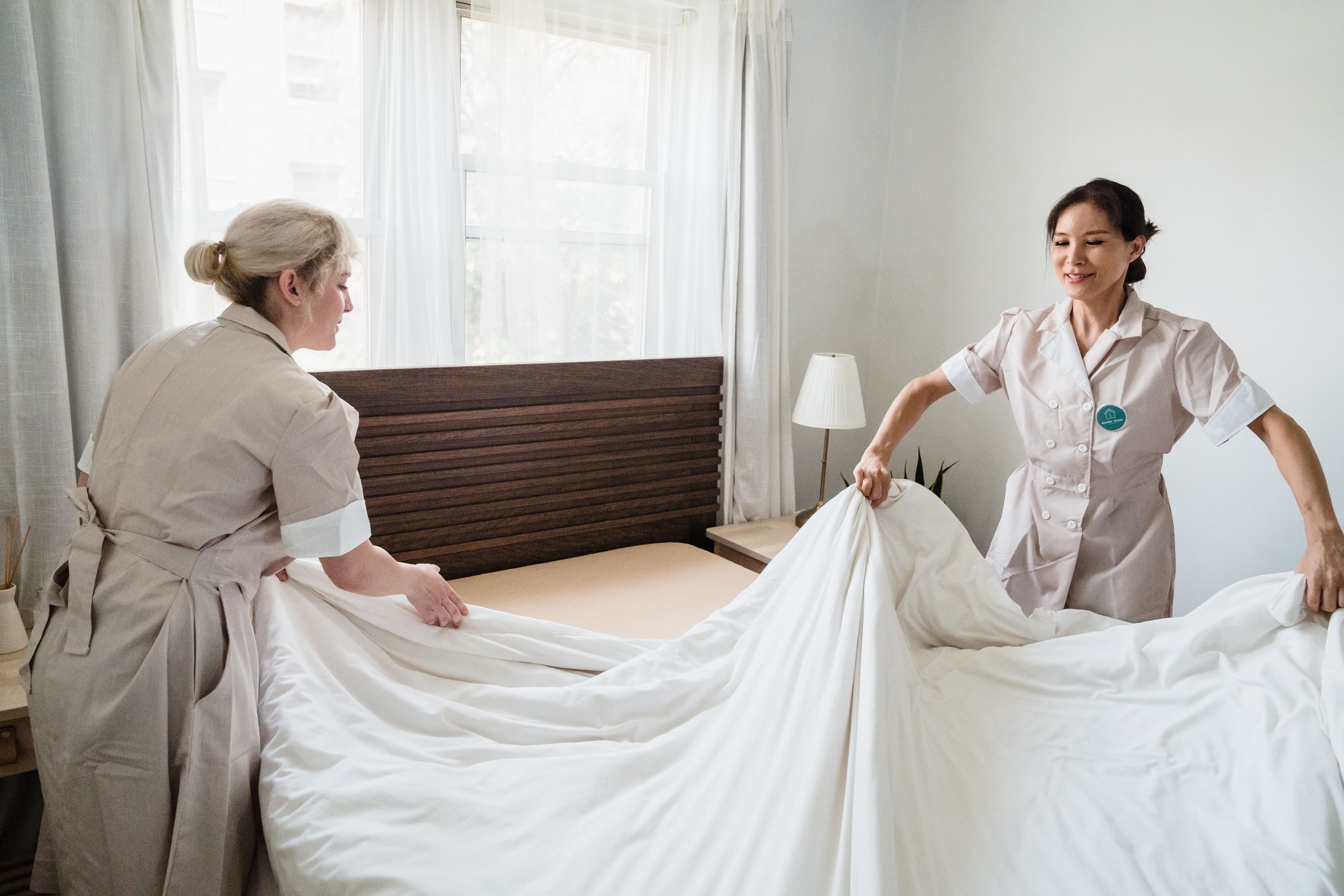
"Please strip the bed, start a load of laundry, and take the trash to the bins on your way out." If a version of that line is sitting in your check-out instructions right now, it's about to be more than just unenforced. Starting with reservations booked on or after November 20, 2026, asking a guest to do any of that is a policy violation Airbnb can act on.
This isn't a minor wording tweak. Airbnb tore out the free-text house rules box entirely and replaced it with a fixed system, live since October 20, 2026. If you haven't logged in and rebuilt your rules since then, your listing is likely still running on the old format, and you have until the 20th to fix it.
The real change: free-text rules are gone
You can no longer type your own house rules as a paragraph. Airbnb now splits everything into two categories. Rules are binding: guests must follow them, and you can cancel a reservation without penalty if they don't. Requests are advisory: guests are encouraged to comply, but you can't cancel over a request being ignored, and persistent violations get escalated to Airbnb rather than handled by you directly.
The seven rules you can actually enforce
Rules are chosen from a fixed list of seven, nothing else qualifies as a binding rule anymore: maximum overnight guests, quiet hours, events, pets, smoking, commercial photography and filming, and locking up at checkout. If something you used to enforce isn't on this list, it's now a request at best, or it's gone.
What you can still ask for, and what's banned
Airbnb's test for a valid request is whether it takes "significant effort or time" or is a task a cleaner would normally do. Anything that fails that test is off the table, no matter how you word it.
| Still OK as a request | No longer allowed |
|---|---|
| Put used dishes in the sink or dishwasher | Wash the dishes and put them away |
| Gather used towels in one spot | Strip the bed or start a load of laundry |
| Separate trash and recycling into indoor bins | Carry trash off-site to a dumpster or curb |
| Turn off lights, AC, or appliances on departure | Restrict features you advertised in the listing |
Local exceptions exist. Asking guests to conserve water during a drought or use a bear-proof container in wildlife areas is still allowed with a documented reason, even though it looks like a chore on paper.
The fines are gone too
The policy states it directly: "Hosts can't impose fines or other penalties on guests." That closes the door on charging on the spot for over-occupancy, smoking, or a late checkout. If a guest breaks a real rule or damages something, the path now runs through Airbnb's resolution process, not a fee you add to their bill yourself.
Enforcement isn't empty, either. Requests that look like disguised rules get flagged when you save them, reviewed by Airbnb, and can trigger a guest-facing warning on your listing. Keep pushing it and you're looking at reduced search placement or Terms of Service action. Existing reservations booked before the rules changed keep whatever terms the guest agreed to at booking, so this isn't retroactive, but every new booking from November 20 on falls under the new system.
What to fix before November 20
- Log into your listing and confirm your house rules have migrated to the seven-item format. If the box still looks like free text, rebuild it now.
- Rewrite your check-out instructions: move dish-washing, bed-stripping, and off-site trash runs out, and rephrase what's left as requests, not demands.
- Remove any fee schedule for guest behavior (over-occupancy, smoking, late checkout) from your house manual. Route those situations through Airbnb instead.
- If your cleaning fee assumed guests would do most of the turnover work, revisit the math. More of that labor is back on you or your cleaner.
If your turnover process leaned on guests doing the heavy lifting, a tighter cleaning checklist absorbs the gap faster than renegotiating with every guest individually. And since your house manual's wording now matters more than ever, it's worth rereading how you present rules in your welcome book.
For the damage side of this change, specifically what happens now that on-the-spot fines are off the table, see how Airbnb actually handles guest damage claims.